Your Winter Deals Start at $750 — Book 2026 & 2027 Packages

When Is the Best Time to Visit Asia A Month-by-Month Travel Guide

When Is the Best Time to Visit Asia? A Month-by-Month Travel Guide

Key Takeaways:

  • Plan to visit the Asia during the shoulder seasons like March to May or the September to November. This is when the temperatures are on the comfortable side.
  • If you visit the Asia during the monsoon season, you can expect to save 40-60% on the hotels. This will allow you to explore the Bali or the other Asian destinations with 60-70% fewer tourists and the authentic vibes!

Wondering what is the best time to visit Asia? Then, you have come to the right place. The largest continent of the world boasts some incredible countries like the Japan, Thailand, India, Vietnam and much more. Each region has its own unique experiences to offer according to the season.

This guide unlocks everything you should know about the perfect timings to visit the Asia and its countries. Also, you will learn about the weather conditions, crowds, festivals, events and tips to make your vacation enjoyable.

Quick Summary – This blog unveils the best time to visit Asia by season, region and the months. It shows when you should visit the Thailand beaches, see cherry blossoms of the Japan and Indian festivals like the Diwali. You also get the insights on weather, crowds, top destinations and tips like making the early bookings for a smooth Asia vacation!

Best Time to Visit Asia – Interesting Facts You Should Know

Season/MonthKey RegionsAverage TemperatureInteresting Fact/Event 
Spring (Mar–May)Japan, Korea, Nepal, Bhutan10–20°C (fresh)Cherry blossoms peak in Japan; rhododendrons bloom for Himalayan treks
Summer (Jun–Aug)Hokkaido, Tibet, high altitudes25–35°C (hot)Avoid lowlands due to heatwaves; ideal for Mongolia’s nomadic festivals
Autumn (Sep–Nov)China, Japan, Central Asia15–25°C (crisp)Foliage colors in Tibet; best hiking in Bhutan/Nepal with clear skies
Winter (Nov–Feb)SE Asia (Thailand, Bali), Maldives24–30°C (dry)Low humidity, no monsoons; Christmas markets in the Dubai/Singapore

Browse our best-selling Asia tours

When is the Best Time to Visit Asia?

The vast geography of the Asia means that timing your trip is very crucial. In fact, it can make or break your vacation plans. However, the best time to go to the Asia to see and explore it is during the Spring (March through May) and Autumn (September through November). Additionally, the regional weather patterns create the distinct windows for each area in the Asia.

What is the Best Time to Visit Asia by Region?

  • Southeast Asia: November-February shines as the dry season, with the Thailand’s beaches hitting the balmy 28-32°C and the Vietnam’s Halong Bay fog-free for cruises. Crystal waters invite snorkeling in the Phuket without the sudden storms.
  • East Asia: March-May and September-November deliver the spring cherry blossoms in the Tokyo or the crisp autumn foliage in Seoul, dodging summer heat above 35°C.
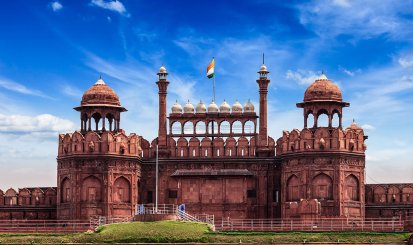
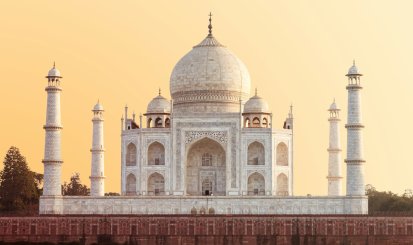
  • South Asia: October-March brings the winter cool to India’s Taj Mahal (15-25°C) and the Sri Lanka’s tea hills, perfect for the safaris before April’s scorchers hit 40°C.
  • Central Asia: April-June and September-October offer mild 20-30°C days for the Uzbekistan’s Silk Road bazaars, sidestepping the harsh winters below -10°C.
  • Northeast Asia: Mongolia’s June-August grasslands buzz with eagle festivals under endless blue skies, ideal before subzero chills lock in.

Best Time to Visit Asia – The Month-by-Month Guide

Planning your vacation to the Asia gets easier when you understand how each season transforms this fascinating continent. Here is your complete guide to Asia travel seasons. This will help you pick the perfect months for your dream trip.

1). The Spring Months (March to May)

Spring Months (March to May)

The Spring season delivers some of the most magical moments in the Asia:

  • The Japan’s legendary cherry blossoms peak in the late March through mid-April. In fact, these paint the cities like Tokyo and the Kyoto in delicate pink hues that draw millions of visitors worldwide.
  • Temperatures hover comfortably between 15-22°C across the East Asia. Therefore it is the ideal weather for the sightseeing without the sweltering heat.
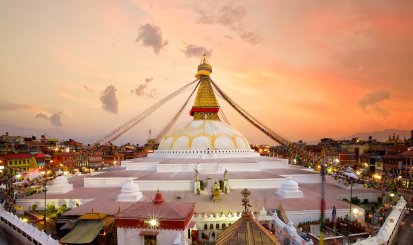
  • Nepal opens its trekking season in March with crystal-clear mountain views and wildflowers carpeting the hillsides. You’ll find temperatures around 20°C in Kathmandu, perfect for exploring before the summer warmth arrives.
  • Thailand’s Songkran Festival in mid-April brings the world’s biggest water fight to Bangkok’s streets, while South Korea’s countryside bursts with yellow canola flowers.

Spring travel to Asia means booking well ahead since this shoulder season attracts the savvy travelers seeking pleasant weather without peak season crowds.

If you want to skip the planning hassles, then simply book expertly curated Asia vacation packages from USA by VACATIONOTRIPS. These come bundled with the round-trip flights, transfers, hotels, daily breakfast and the guided experiences!

2). The Summer Season (June to August)

The summer season includes a combination of sweltering heat followed by rains across much of the South and the Southeast Asia. In fact, in some regions like the India, Thailand and Vietnam, the rainfall may reach 200-400mm monthly. However, you should not write off having a vacation in the Asia during these months entirely. Instead, the off-season travel rewards you with the discounted hotel rates (40-60%) when you compare to the peak winter season. Plus, you will have the most famous temples and the beaches nearly to yourself!

  • South Korea shines during summer with temperatures around 25-28°C and lush green landscapes.
  • Malaysia’s east coast offers world-class diving at Perhentian and Tioman islands with water visibility reaching 30 meters.
  • Indonesia’s dry season hits full stride, making Bali and the Gili Islands fantastic choices.
  • Northern regions like Mongolia experience their warmest weather (18-25°C), perfect for exploring vast steppes under endless blue skies.

If you can handle occasional tropical showers, summer’s budget-friendly rates make expensive destinations suddenly affordable.

3). The Autumn Months (September to November)

Autumn might just be one of the most underrated seasons to explore the Asia. This is the time, when the monsoons retreat (in the September). This leaves behind the refreshed landscapes and the comfortable temperatures between 22-28 C across most of the regions.

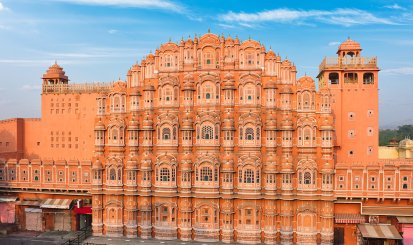
  • India transforms during this period as the oppressive summer heat fades into pleasant days. This makes Autumn the perfect time for exploring Rajasthan’s palaces or Kerala’s backwaters. You will also get to witness some incredible festivals like the Dussehra, Diwali and more!
  • China’s autumn foliage rivals the New England’s, with the Great Wall surrounded by the golden leaves in October.
  • Nepal celebrates the Diwali with the spectacular light displays in the late October or the early November. On the other hand, the Myanmar’s temples glow during the country’s numerous Buddhist festivals.

These Autumn months represent the best time to visit Asia where great weather meets moderate crowds. Visibility in the Himalayas reaches peak clarity for mountain viewing, and rice terraces across Southeast Asia glow brilliant green after harvest season.

Explore Vietnam Tours

4). The Winter Months (December to February)

Winter essentially marks the peak tourist season of the Asia, especially the South East and South Asian destinations. That is why, you will come across a good number of the crowds.

  • Thailand, Vietnam, Cambodia, and the Philippines enjoy their finest weather with the temperatures ranging from 28-32°C and the rainfall nearly disappearing.
  • Want to sit back and relax while professionals handle all your vacation needs? Then, you should consider booking the Vietnam or Thailand vacation packages from USA. Expect round-trip flights, hassle-free transfers, luxury hotels, guided tours and daily breakfast for the maximum convenience!
  • Singapore’s streets sparkle with the holiday lights while temperatures stay comfortable at 26-28°C.
  • India also gets cooler and is ideal for holidaymakers from around the world. Plan to go to the Indian states like the Rajasthan, Delhi, Kerala, Madhya Pradesh and other parts of the country.
  • This period gets booked up pretty quickly. Popular beaches in the Phuket and Bali see the accommodation prices jump 50-80% above shoulder season rate. Also, you will need to make the reservations months in advance for the Christmas and New Year’s weeks.
  • Sri Lanka’s west coast delivers perfect beach weather with calm seas ideal for the snorkeling.
  • Vietnam’s Ha Long Bay cruises sail under clear skies, and the Cambodia’s Angkor Wat reveals its splendor without rain interference.

Despite the premium pricing, these months guarantee the sunshine-filled days when you need the escape from the harsh northern winters back home.

What Tourists Should Know about Weather and Crowds in Asia?

The timing of your travel directly impacts both your experience and your wallet when you visit Asia. An important aspect of your travel plans is the weather patterns of the Asia. In fact, these can attract or divert crowds depending on the climate conditions. The good thing is, such weather patterns create a predictable cycle where the best weather draws the largest crowds and tends to be the priciest and vice versa. Understanding this helps you choose your travel timings according to your preferences:

How Do Weather and Crowds Affect Your Asia Trip?

  • Asia peak season (November-February) delivers the flawless dry weather yet the jam-packed sites and the 50-100% price hikes on the flights and stays.
  • Shoulder season (March-May, September-October): Crisp 20-28°C days pair with the 30-50% fewer tourists. You will also get to unlock the deals like the Bali villas at $100/night and the Hanoi’s street food without the lines. So, when are you booking the Vietnam tour packages from USA? Vietnam awaits to welcome you!
  • Low season (June-August): Monsoon douses the Southeast Asia with the 200-400mm rains monthly. This means, you can expect fewer crowds (almost 70% less) and the discounted hotel rates (40-60%). Example – Tokyo ryokans for $120 versus the $250 during the peak season!
  • Budget travel in the Asia thrives off-season, with the Vietnam’s Ha Long cruises dropping to the $50/person amid the misty magic.

Pro Tip – Smart travelers avoid the crowds in the Asia by planning their visit during the shoulder months. This is when the weather stays beautiful but the tourist hordes haven’t arrived yet.

What are the Top Asian Destinations by Season?

Matching your Asian destination to the right season transforms the good trips into the unforgettable adventures. Here is where you should go based on the timing of your travel:

1. Best Winter Destinations (December-February)

Thailand, Vietnam, Cambodia, the Maldives, and the west coast of the Sri Lanka absolutely shine during the winter months. Also, the temperatures settle into the perfect 28-32°C sweet spot with the virtually zero rainfall. The best time to visit the Thailand falls squarely in these months when the Bangkok’s temples and the Phuket’s beaches enjoy the endless sunshine.

2. Best Spring Destinations (March-May)

Japan tops every spring bucket list as the cherry blossoms transform the cities into the pink wonderlands from the late March through the April. On the other hand, the Nepal and Bhutan showcase the blooming rhododendrons painting the hillsides in vibrant reds and the pinks. Also, the temperatures reach the comfortable 18-22°C. Additionally, the South Korea and Tibet open up after the winter with the clear skies perfect for the mountain views and the cultural exploration.

To make the most of your Asian vacation, book the top-rated Japan Vacation packages that boast round-trip flights, opulent stays, guided tours, worry-free transfers and much more!

3. Best Summer Destinations (June-August)

Best Summer Destinations

Indonesia experiences its driest weather during these months, making the Bali ideal when other regions face monsoons. Then, there is the Mongolia which warms to 20-25°C. This place is perfect for experiencing the nomadic culture under the vast blue skies. Northern India hill stations like the Shimla and Darjeeling offer the cool mountain retreats at 15-20°C.

4. Best Autumn Destinations (September-November)

Myanmar, northern Vietnam, China, and the Central Asia deliver the spectacular autumn conditions. Post-monsoon clarity in the Myanmar provides visibility exceeding 100 kilometers for viewing the ancient Bagan temples. Also, the China’s temperatures drop to the pleasant 18-25°C ranges making the region a treat to explore. On the other hand, the Central Asian cities enjoy warm, dry days perfect for exploring Silk Road heritage sites.

Popular Festivals and Events of Asia to Enjoy on Your Vacation

The festivals and events of the Asia will transform your ordinary vacations into the extraordinary cultural journeys:

What Are the Must-See Festivals When Visiting Asia?

  • Cherry Blossom Season (Japan, March-April) – Tokyo, Kyoto, and the surrounding regions explode in the pink blooms for just the 1-2 weeks. Locals celebrate this occasion with the hanami picnics under the sakura trees. This creates those picture-perfect moments everywhere you turn!
  • Songkran Water Festival (Thailand, mid-April) – Bangkok’s streets transform into the world’s biggest water fight during the Thai New Year. Expect complete soaking as the locals and the tourists drench each other in the joyful celebration.
  • Chinese New Year (Various countries, late January-February) – Singapore, Hong Kong, and the mainland China light up with the dragon dances, fireworks, and the red lanterns. Cities shut down for several days as the families gather for the reunion dinners.
  • Diwali (India, October-November) – The festival of lights illuminates the entire cities with the oil lamps, fireworks, and the stunning rangoli designs. Markets overflow with the sweets and the new clothes as the families celebrate good triumphing over the evil.
  • Lantern Festivals (Vietnam, China, various dates) – Vietnam’s Hoi An releases the colorful lanterns monthly during the full moons. On the other hand, the China’s Lantern Festival concludes the New Year celebrations with glowing displays floating down rivers.

Practical Vacation Tips to Enjoy the Best Time to Visit Asia

  • Book 4-6 months ahead for the peak season trips (November-February) – Popular destinations like the Thailand and the Vietnam sell out fast. This is especially around the Christmas and the New Year when the flights can cost $400-600 more than the usual.
  • Pack the layered, breathable clothing – Asia’s diverse climates mean you will need everything from the shorts for 32°C beaches to the light jackets for 15°C mountain evenings in the same trip
  • Check visa requirements 8-10 weeks before departure – Many Asian countries offer the visa-on-arrival or the e-visas. But, the processing times vary and some require proof of the onward travel.
  • Invest in the comprehensive travel insurance – Monsoon season travel particularly benefits from the coverage that includes the trip interruption, as the weather can occasionally disrupt the flights and ferry schedules.
  • Research country-specific holidays – Major celebrations like the Chinese New Year shut down the businesses for 3-7 days, affecting the restaurant availability and the transportation schedules
  • Reserve internal flights during booking Asia vacation planning – Budget airlines release the tickets 3-6 months out with the fares as low as $30-50, but prices triple closer to the travel dates

Do not want to worry about a thing and just see the best of Asia? Then, conveniently book the curated Asia holiday packages from USA by VACATIONOTRIPS!

Conclusion

By now, you must have a clear understanding of the best time to visit Asia. Now, you can choose the time to travel to the Asia according to your preferences and enjoy a memorable time.

But, are you worried that even after knowing all this information, it would be complicated to plan the trip. In that case, you have a reliable partner like VACATIONOTRIPS.

These holiday packages feature round-trip flights, beautiful stays, wonderful guided experiences, daily breakfast, smooth transfers and much more.

So, instead of worrying about anything let the experts handle your travel plans while you can sit back and actually enjoy the holiday with your loved ones!

FAQs

How long should I explore Asia during my vacation?

Plan to visit Asia for around 2 to 3 weeks. This will allow you to meaningfully explore the 2-3 countries within one region of the Asia. The South East Asia is probably best for a 2-week trip in which you will cover the Thailand, Vietnam and the Cambodia.

What is the best time to visit Asia for solo travelers?

The months of September through November offer the ideal conditions for the solo travelers to visit Asia.

When should families with kids visit Asia?

The months of December to February is one of the perfect times for the families with kids to visit Asia. This is when the weather is dry, and you will love to indulge in the wide range of family-friendly activities.

Whatsapp Icon